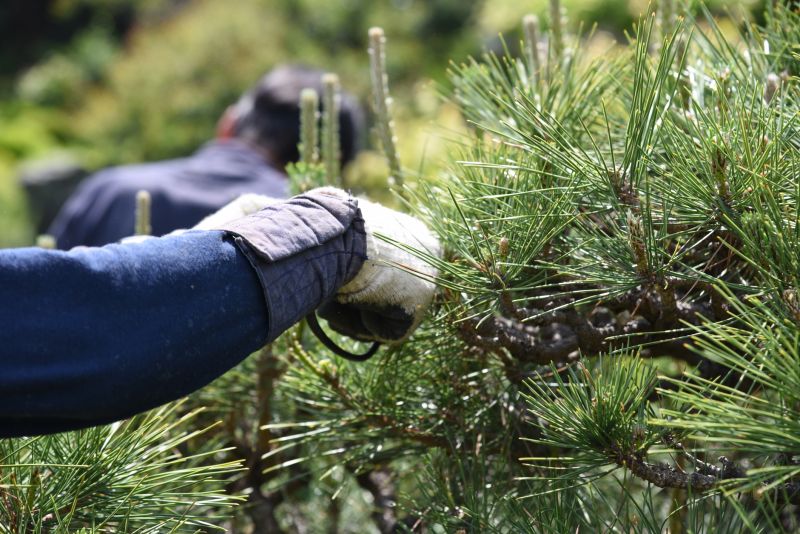
Pear Tree Pruning in Pottstown, PA
Pear Tree Pruning services involve carefully trimming and shaping pear trees to promote healthy growth, improve fruit production, and maintain the overall appearance of the trees. This type of pruning can include removing dead or diseased branches, thinning out dense canopies, and shaping the tree to ensure proper sunlight exposure and air circulation. Projects often range from routine maintenance to more extensive pruning for older or overgrown trees, helping to prevent potential hazards and support long-term tree health on residential properties.
Homeowners considering pear tree pruning should understand the importance of timing, typically during dormancy or after harvest, and the specific techniques used to avoid damaging the tree. It is helpful to know the overall condition of the tree, such as signs of disease or structural issues, to determine the scope of pruning needed. Proper pruning can enhance fruit quality, reduce the risk of falling branches, and contribute to a well-maintained landscape. Contacting experienced professionals ensures the work is performed correctly and safely.
Many property owners in Pottstown, PA look into Pear Tree Pruning for repairs, replacements, upgrades, and appearance-related improvements.
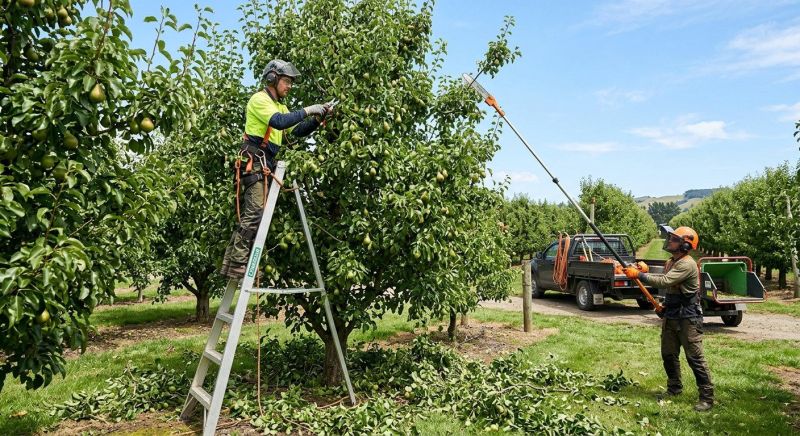
Tree Shaping And Maintenance
Pruning helps maintain the health and shape of pear trees for optimal growth.
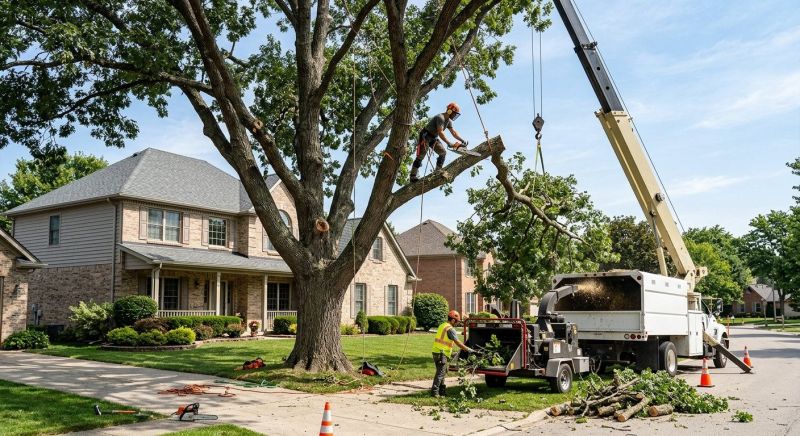
Safety And Clearance
Proper pruning reduces hazards by removing dead or overgrown branches near structures and walkways.
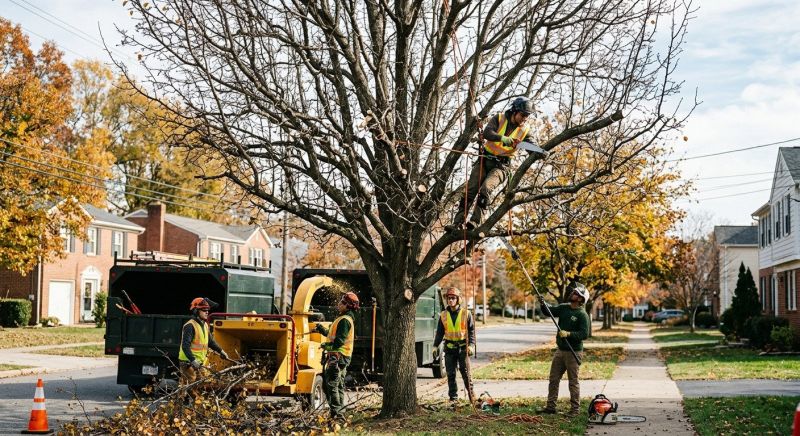
Seasonal Tree Care
Regular trimming during the right seasons promotes better fruit production and overall tree vitality in pottstown, pa.
Pear Tree Pruning in Pottstown, PA
Pear Tree Pruning services involve carefully trimming and shaping pear trees to promote healthy growth, improve fruit production, and maintain the overall appearance of the trees. This type of pruning can include removing dead or diseased branches, thinning out dense canopies, and shaping the tree to ensure proper sunlight exposure and air circulation. Projects often range from routine maintenance to more extensive pruning for older or overgrown trees, helping to prevent potential hazards and support long-term tree health on residential properties.
Homeowners considering pear tree pruning should understand the importance of timing, typically during dormancy or after harvest, and the specific techniques used to avoid damaging the tree. It is helpful to know the overall condition of the tree, such as signs of disease or structural issues, to determine the scope of pruning needed. Proper pruning can enhance fruit quality, reduce the risk of falling branches, and contribute to a well-maintained landscape. Contacting experienced professionals ensures the work is performed correctly and safely.
Many property owners in Pottstown, PA look into Pear Tree Pruning for repairs, replacements, upgrades, and appearance-related improvements.
Common Pear Tree Pruning Jobs
Tree pruning - shaping and removing branches to promote healthy growth.
Fruit tree trimming - enhancing fruit production and maintaining tree structure.
Crown reduction - reducing tree height and spread to prevent overgrowth.
Deadwood removal - eliminating damaged or diseased branches to improve tree health.
Thinning - selectively removing branches to increase light and airflow within the canopy.
Formative pruning - shaping young trees for strong, balanced growth.
Pear Tree Pruning Questions
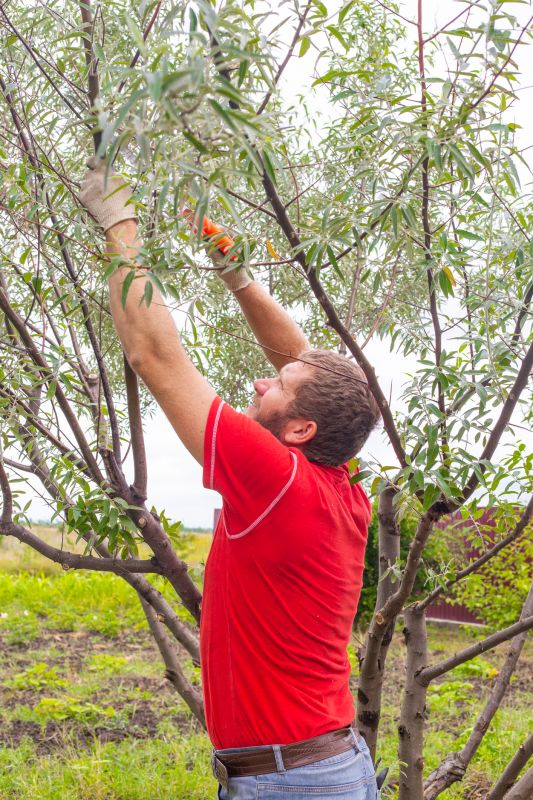
Why is pear tree pruning important? Pruning helps maintain tree health, encourages better fruit production, and shapes the tree for safety and aesthetics.
When is the best time to prune a pear tree? The ideal time is during late winter or early spring before new growth begins.
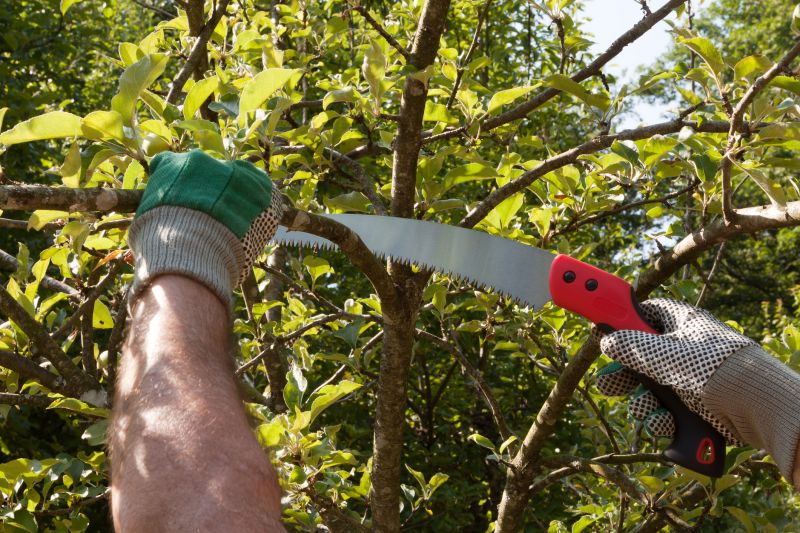
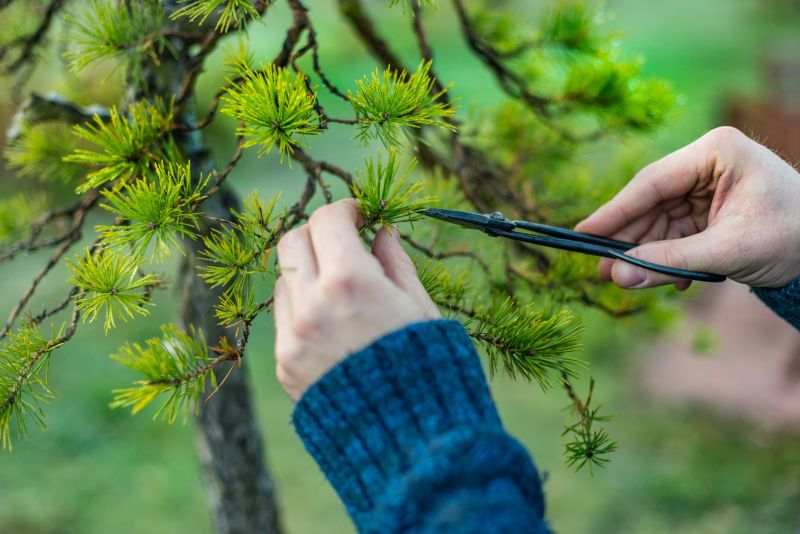
What tools are used for pear tree pruning? Sharp pruning shears, loppers, and saws are commonly used to remove dead or overgrown branches.
Can pruning prevent disease in pear trees? Yes, removing diseased or damaged branches reduces the risk of infections spreading throughout the tree.
Request Pear Tree Pruning in Pottstown, PA
Use the quote form on this page to share the basics of your project and request more information for the type of work you need.